In today's world, the issue of dictators affecting the Mexican workforce is a concerning one. Dictatorship, as a form of government, involves a single leader who wields absolute power and often rules with an iron fist. In the context of the Mexican workforce, the presence of a dictator can have significant implications for the country's economy, labor conditions, and overall social fabric.
Category : | Sub Category : Posted on 2025-11-03 22:25:23
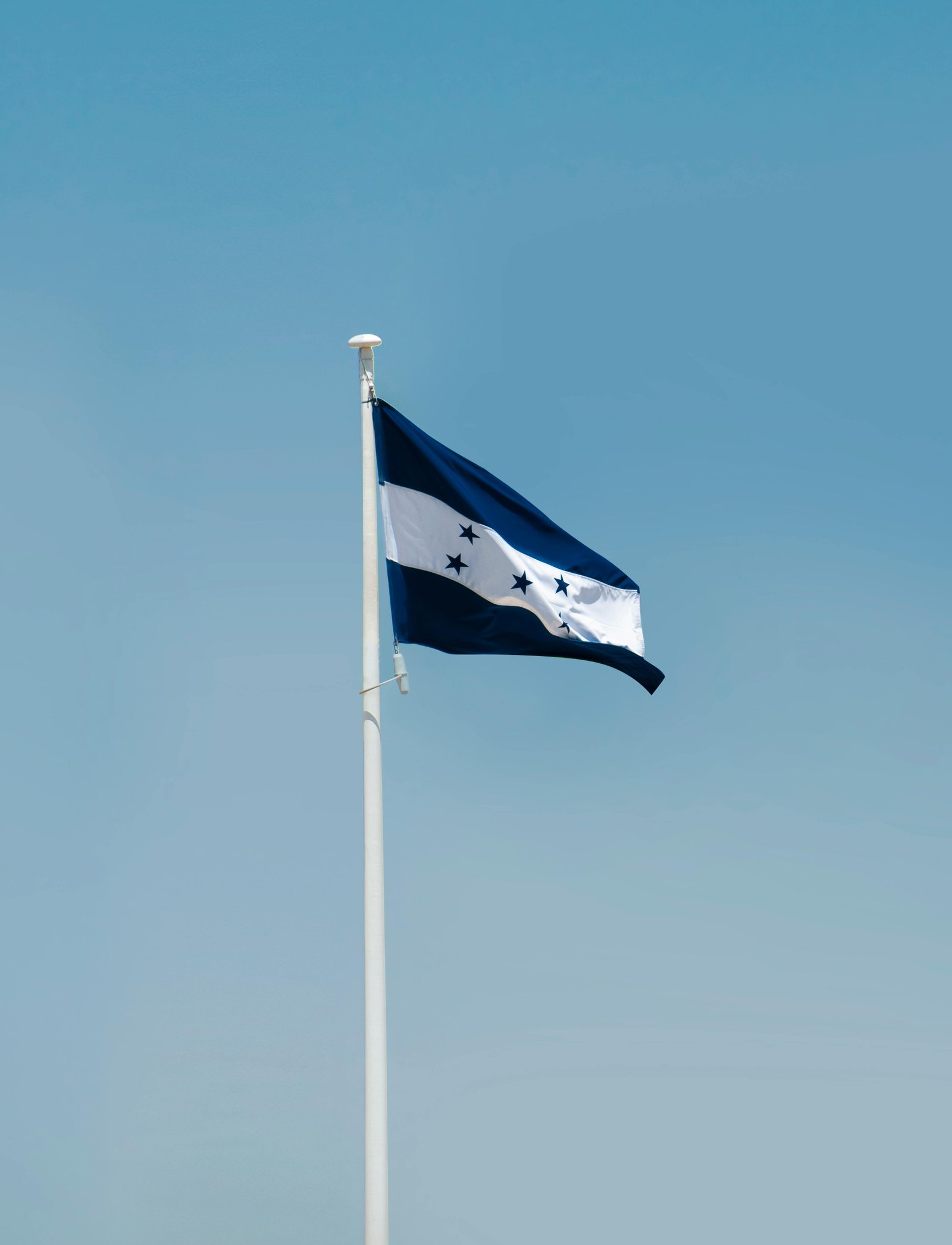
One of the key ways in which dictators can impact the Mexican workforce is through the suppression of workers' rights and freedoms. Dictatorial regimes often engage in widespread human rights abuses, including the repression of labor unions and worker organizations. This can result in a climate of fear and intimidation among workers, making it difficult for them to advocate for their rights and demand fair treatment in the workplace. Dictators may also prioritize their own interests over the well-being of the workforce, leading to policies that prioritize profits over people. This can result in exploitative labor practices, such as long hours, low wages, and unsafe working conditions. Workers may be forced to endure these conditions out of fear of retribution, further perpetuating the cycle of exploitation and abuse. Furthermore, dictators can stifle economic growth and development, which can have negative repercussions for the Mexican workforce. By prioritizing short-term gains and personal enrichment, dictators may neglect essential investments in infrastructure, education, and healthcare – all of which are critical for building a strong and sustainable economy. This can result in high levels of unemployment, poverty, and inequality, leaving many Mexican workers struggling to make ends meet. In order to address the challenges posed by dictators in the Mexican workforce, it is essential for workers, activists, and policymakers to come together and demand accountability, transparency, and democratic governance. By advocating for reforms that promote worker rights, strengthen labor protections, and encourage sustainable economic development, the Mexican workforce can resist the damaging effects of dictatorship and build a brighter future for all. By standing up against oppression and fighting for a more just and equitable society, Mexican workers can create a better tomorrow for themselves and future generations. For a detailed analysis, explore: https://www.hispanicblogger.com also for more https://www.cotidiano.org Here is the following website to check: https://www.sugerencias.net also this link is for more information https://www.tosaopaulo.com Click the following link for more https://www.diaria.org Seeking answers? You might find them in https://www.argentinainfo.com also click the following link for more https://www.abandonar.org Discover new insights by reading https://www.culturelle.org also for more https://www.departements.org Visit the following website https://www.regionales.net Check the link: https://www.mexicocityinfo.com also for More in https://www.paraguayinfo.com To understand this better, read https://www.toguatemala.com Check this out https://www.boliviainfo.com
Leave a Comment:
SEARCH
Recent News
- Zurich, Switzerland is a vibrant city known for its stunning architecture, picturesque landscapes, and rich culture. One aspect of Zurich's cultural scene that often goes under the radar is its regional music. The city and its surrounding areas are home to a diverse range of musical styles, reflecting the multiculturalism and artistic diversity of the region.
- Top 5 Zurich Regional Movies You Must Watch
- Zurich, Switzerland: A Culinary Journey through Regional Cuisine
- Zurich, Switzerland is known for its rich culture and traditions, including traditional regional clothing that reflects the area's history and heritage. Swiss traditional clothing varies by region, with each area having its own unique style and designs. In Zurich, traditional Swiss clothing showcases a blend of functionality, craftsmanship, and aesthetics.
- Zurich, Switzerland: A Hub for the Mexican Workforce
- Zurich, Switzerland is a vibrant city known for its strong economy and business-friendly environment. For Mexican businesses looking to expand into Zurich, understanding the taxation system is crucial to ensuring compliance and minimizing financial risks. In this blog post, we will explore key aspects of business taxation in Zurich, Switzerland for Mexican entrepreneurs.
- Zurich, Switzerland and Honduras Tourism: A Perfect Blend of Two Worlds
- Zurich, Switzerland is known for its picturesque landscapes, rich history, and vibrant culture. It is also a global financial hub, home to many multinational corporations and banks. However, despite its strong economy and high standard of living, there are still opportunities for individuals from Honduras to find jobs in Zurich.
READ MORE
11 months ago Category :

Zurich, Switzerland is a vibrant city known for its stunning architecture, picturesque landscapes, and rich culture. One aspect of Zurich's cultural scene that often goes under the radar is its regional music. The city and its surrounding areas are home to a diverse range of musical styles, reflecting the multiculturalism and artistic diversity of the region.
Read More →11 months ago Category :

Top 5 Zurich Regional Movies You Must Watch
Read More →11 months ago Category :

Zurich, Switzerland: A Culinary Journey through Regional Cuisine
Read More →11 months ago Category :
